
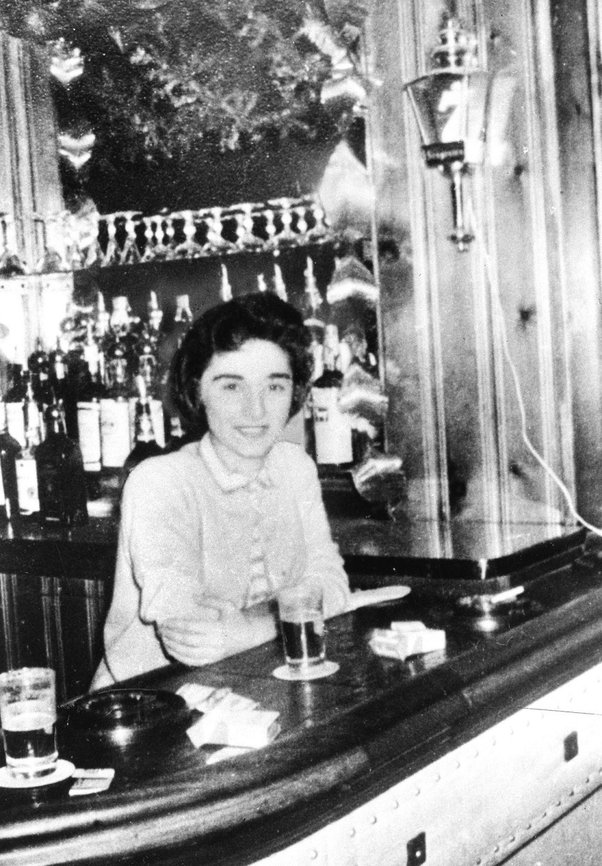
Catherine’s friends called her Kitty.
She was young, just twenty-eight, and petite. Tiny really.
And on this particular night, she was screaming for her life, as loudly as she could. After all, there were people all around. Someone would have to hear her.
Right?
Her shouts went on for thirty minutes, as her killer sliced her, mutilating her body.
38 neighbors heard her scream.
38.
How many tried to help her? How many called the police?
None.
Why?
“I thought someone else would do it.”
April 28, 2010. 5:30 a.m.
Hugo Alfredo Tale-Yax, a homeless man in Queens, New York, threw himself into action as he saw another man trying to mug a woman.
He was stabbed, several times and collapsed, lying on the sidewalk.
His wounds were bad, but they shouldn’t have been lethal.
He laid there for an hour before bleeding to death.
Video footage showed 20 people pass his body.
20
One rolled his body over and just walked away. Another snapped a photo of him bleeding out but couldn’t be bothered to call an ambulance.
When help finally arrived. Hugo was dead.
Why did no one stop to help?
“I thought someone else would do it.”
What are the most deadly, most horrible words?
“I thought someone else would do it.”
The bystander-effect is this idea that we assume someone else will react, that they’ll do something, so we walk on, literally to the point of ignoring murder.
It’s a cycle too: we don’t react and we assume because others are calm too that nothing was ever wrong in the first place.
“I thought someone else would do it.”
That string of words is responsible for more losses, more deaths, than we can possibly imagine.